
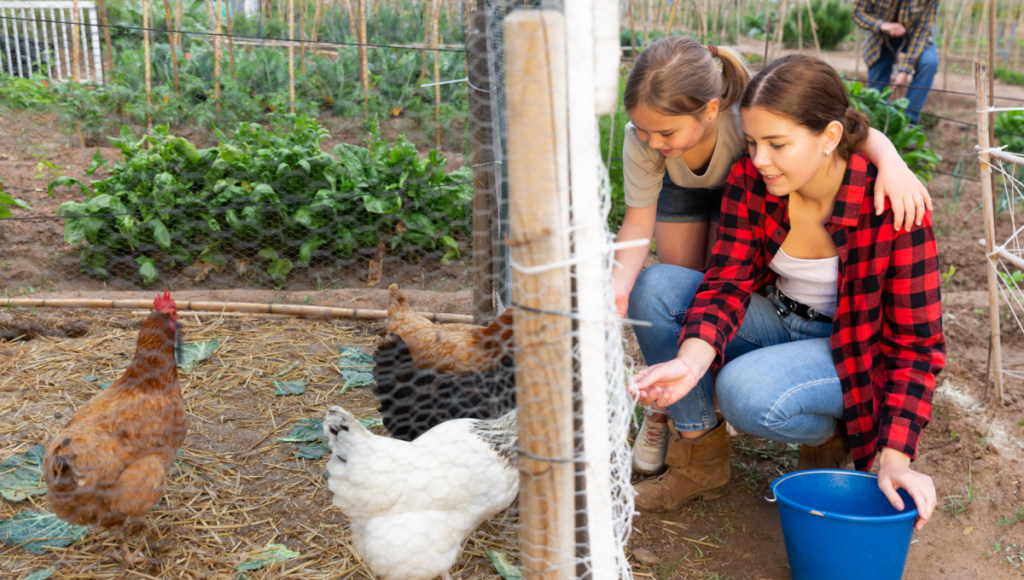
The number of people sickened by three multistate outbreaks of the Salmonella bacterium linked to backyard poultry flocks has skyrocket in recent months.
The Centers for Disease Control and Prevention is reporting there are 150 new cases since April 23, though the true number of sick people is likely higher. Three strains of Salmonella are involved: Salmonella Saintpaul, Salmonella Mbandaka, and Salmonella Enteritidis.
At least 54 people have been hospitalized and one person died in Washington state. More than a quarter of people sickened in this outbreak are children younger than 5 years old, with a median age of 31 years.
The patients appear to be linked to five hatcheries that supply birds to retailers.
“It’s fairly common to have several Salmonella outbreaks involving backyard flocks at the same time,” said Brian Ronholm, director of food policy for Consumer Reports.
“Multiple strains can exist in the chicken’s gut and all those chicks can contaminate the store where they are sold and pass it on to other chicks at the store.”
The outbreak caused by Salmonella Saintpaul is the largest, involving 133 patients. The CDC says patients infected with this strain have, “more frequently reported contact with ducklings or ducks, specifically Pekin ducks, versus other outbreaks, where most patients reported contact with chicks and chickens.”
Salmonella infections linked to backyard poultry are fairly common. One outbreak that lasted from late December 2024 to early September 2025 involved multiple strains that infected at least 559 people, two of whom died.
Public health officials discourage backyard flocks, but if consumers insist on having them, they should take precautions to avoid infections. Birds infected with Salmonella do not look or behave sick.
To avoid illness, people with backyard flocks should collect eggs often, cook the eggs until both the yolk and white are firm, and wash their hands after handling birds or eggs. People should not snuggle or kiss their poultry. Children should be supervised during exposure to the birds and following to ensure that they adequately wash their hands.
About Salmonella infections
Anyone can become sick with a Salmonella infection. Infants, children, seniors, and people with weakened immune systems are at higher risk of serious illness because their immune systems are fragile.
Anyone who has been exposed to birds and developed symptoms of Salmonella infection should seek medical attention. Sick people should tell their doctors about the possible exposure to Salmonella bacteria because special tests are necessary to diagnose salmonellosis. Salmonella infection symptoms can mimic other illnesses, frequently leading to misdiagnosis.
Symptoms of Salmonella infection can include diarrhea, abdominal cramps, and fever within 12 to 72 hours after eating contaminated food. Otherwise, healthy adults are usually sick for four to seven days. In some cases, however, diarrhea may be so severe that patients require hospitalization.
Older adults, children, pregnant women, and people with weakened immune systems, such as cancer patients, are more likely to develop a severe illness and serious, sometimes life-threatening conditions.
Some people get infected without getting sick or showing any symptoms. However, they may still spread the infections to others.