
Health officials in the United Kingdom have opened an investigation after Listeria was found in chicken supplied to hospitals.
Chicken products imported by Foodbridge EU and Foodbridge UK from Brazil have tested positive for Listeria monocytogenes.
The UK Health Security Agency (UKHSA) was notified of the problem by the National Health Service (NHS) and the Food Standards Agency (FSA).
The level of Listeria detected is within the legal limit of 100 colony forming units per gram (CFU/g). However, the products are supplied to NHS food chains and other health and social care settings.
Supplied to hospitals
Products are supplied frozen but are labeled as ready-to-eat (RTE) once defrosted, increasing the potential public health concern, particularly for vulnerable groups.
A recall has been initiated by Yearsley Food covering eight frozen chicken products.
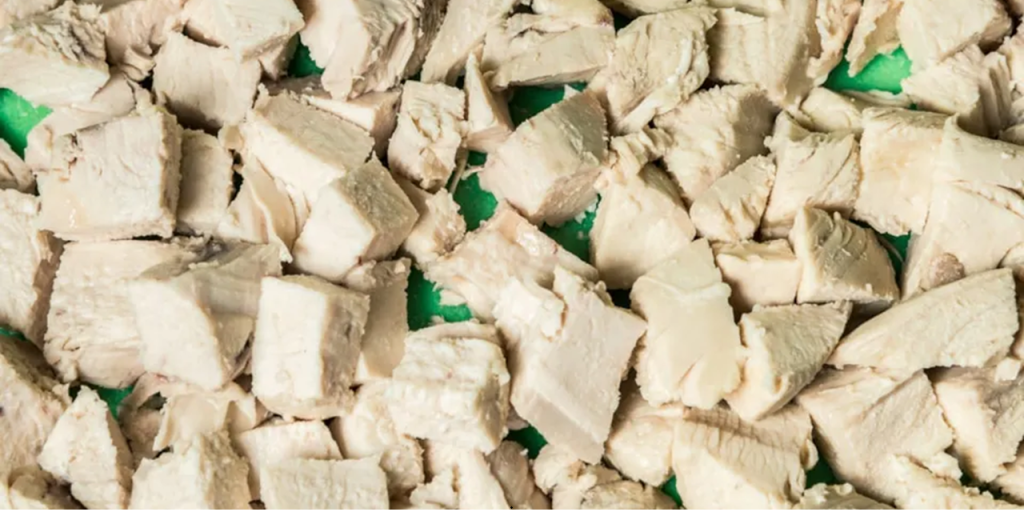
These are certain codes and sizes of diced and strips of cooked chicken breast, strips and diced steam cooked chicken breast, and shredded chicken.
On June 9, the NHS was told a supplier requested local destruction or return of frozen cooked chicken products following the detection of low levels of Listeria monocytogenes.
The product appears to be mainly supplied to catering services, including those in the NHS, where it may be further processed.
There are currently no confirmed cases of listeriosis related to the incident. However, UKHSA is waiting for Listeria monocytogenes isolates from contaminated chicken to be sequenced by the Food Safety Authority of Ireland (FSAI) to determine whether there is a match against reported cases.
One NHS trust has identified a group of vulnerable patients who may have been exposed, and testing of cooked chicken products is being arranged.
About Listeria infections
Food contaminated with Listeria monocytogenes may not look or smell spoiled but can still cause serious and sometimes life-threatening infections. Anyone who has eaten any of the chicken and developed symptoms of Listeria infection should seek medical treatment and tell their doctors about the possible Listeria exposure.
Also, anyone who has eaten the implicated chicken should monitor themselves for symptoms during the coming weeks because it can take up to 70 days after exposure to Listeria for symptoms of listeriosis to develop.
Symptoms of Listeria infection can include vomiting, nausea, persistent fever, muscle aches, severe headache, and neck stiffness. Specific laboratory tests are required to diagnose Listeria infections, which can mimic other illnesses.
Pregnant women, the elderly, young children, and people such as cancer patients who have weakened immune systems are particularly at risk of serious illnesses, life-threatening infections, and other complications. Although infected pregnant women may experience only mild, flu-like symptoms, their infections can lead to premature delivery, infection of the newborn, or even stillbirth.