
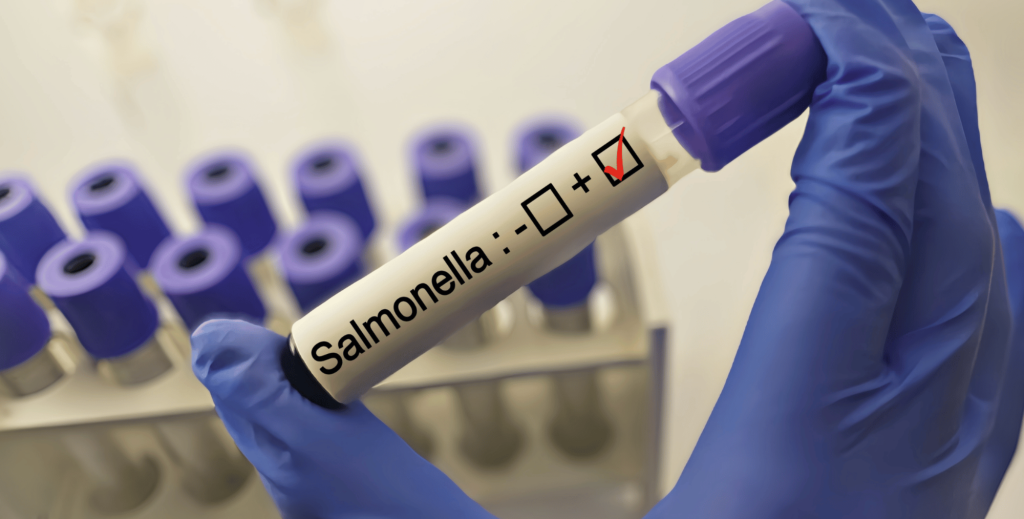
The Colorado Department of Public Health and Environment is alerting the public to a significant increase in Salmonella cases and asking people to be aware of the symptoms.
As of July 28, there were 269 Salmonella cases reported in Colorado since July 1. During the past five years, Colorado has averaged 125 cases during the month of July.
Colorado has advanced foodborne illness surveillance capacity, and the Colorado Public Health Laboratory uses whole genome sequencing to compare the genetic fingerprints of Salmonella bacteria from people who test positive. This testing helps public health officials identify potentially connected cases and detect increases in illness early.
The state health department is coordinating with local public health agencies, the Centers for Disease Control and Prevention, the U.S. Food and Drug Administration, and public health partners in other states to identify potential connections among the cases, and what food sources might be linked to an uptick in cases.
Federal investigators have not confirmed a specific food, restaurant, supplier, or other source. Tracing to identify the source is underway now.
About Salmonella infections
Food contaminated with Salmonella bacteria does not usually look, smell, or taste spoiled. Anyone can become sick with a Salmonella infection. Infants, children, seniors, and people with weakened immune systems are at higher risk of serious illness because their immune systems are fragile.
Anyone who has developed symptoms of Salmonella infection should seek medical attention. Sick people should tell their doctors about the possible exposure to Salmonella bacteria because special tests are necessary to diagnose salmonellosis. Salmonella infection symptoms can mimic other illnesses, frequently leading to misdiagnosis.
Symptoms of Salmonella infection can include diarrhea, abdominal cramps, and fever within 12 to 72 hours after eating contaminated food. Otherwise, healthy adults are usually sick for four to seven days. In some cases, however, diarrhea may be so severe that patients require hospitalization.
Older adults, children, pregnant women, and people with weakened immune systems, such as cancer patients, are more likely to develop a severe illness and serious, sometimes life-threatening conditions.
Some people get infected without getting sick or showing any symptoms. However, they may still spread the infections to others.