
The nationwide outbreak of infections from the Cyclospora parasite has turned deadly with Michigan reporting two deaths over the weekend.
A statement from the state health department said both of the patients had underlying health conditions, but that dehydration from their Cyclospora infections was the cause of death. As of today, Michigan is reporting 11,234 patients with at least 193 having been hospitalized. As of July 31 the state had 10,773 patients.
Ohio’s count is more than 4,000 and there are several other states with patient counts in the hundreds. North Carolina reports more than 700 patients and is saying that the infections may be related to parsley or cilantro, but the state has not said where the leafy greens were grown or what brand they were sold under.
The Centers for Disease Control has not updated its patient count yet this week. The agency is investigating several outbreaks but is giving special attention to one that involves nine states. The CDC’s report last week showed 1,947 patients in the nine-state outbreak that covers Illinois, Indiana, Kansas, Kentucky, Michigan, Ohio, Oklahoma, Pennsylvania and West Virginia.
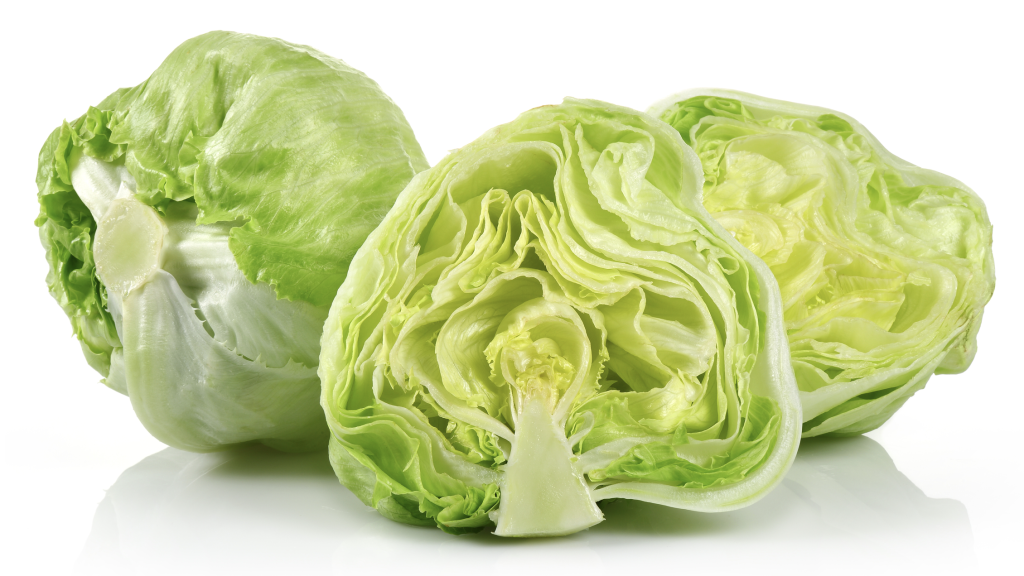
Interviews with people sickened with cyclosporiasis in this outbreak indicate that many in those states ate at Taco Bell restaurants and ate iceberg lettuce distributed by Taylor Farms de Mexico. That lettuce has since been recalled. Many of the patients became sick before the lettuce was recalled. However, some patients continue to report illness onset after the recalled lettuce was past its expiration date.
As of this week the agency was reporting that since May 1 there have been 6,707 domestically acquired, lab-confirmed cases of cyclosporiasis, and an additional 11,500 are awaiting confirmation or need more investigation. Those numbers include patients in 45 states. A source of the parasite for the outbreaks has not yet been determined.
“CDC’s surveillance updates do not include probable cases. State data may include probable and confirmed cases, resulting in higher case counts than what CDC reports,” according to the CDC update posted early last week.
As of Friday, the total from state reports was more than 20,000.
About Cyclospora
Food contaminated with the microscopic Cyclospora parasite does not look, smell or taste bad.
Anyone who has developed symptoms of Cyclospora infection, and has reason to believe they have been exposed to the parasite, should seek medical attention. Specific tests are required and antibiotics are used to fight the parasite.
Cyclospora infection can cause severe abdominal pain, intense watery diarrhea, nausea, vomiting, body aches, and fatigue. Symptoms can develop between two and 14 days after exposure. Though symptoms can be severe enough to send people to the hospital, it’s rare for people to die from Cyclospora infections.
Symptoms can last for a month or more and can reoccur for several more months if not treated.
Cyclospora is a type of protozoa, which is a single-celled organism. It is transmitted when people somehow ingest contaminated feces, typically through contaminated food or water. It can be spread only through human waste, unlike E. coli and salmonella, which can also be spread from animal fecal matter.
Previous U.S. outbreaks of cyclosporiasis have been linked to various types of fresh produce, including lettuce, basil, cilantro, mesclun lettuce, raspberries, and snow peas.
Food safety experts say there’s no evidence that washing the produce will remove the parasite because it becomes embedded in the flesh of the produce.