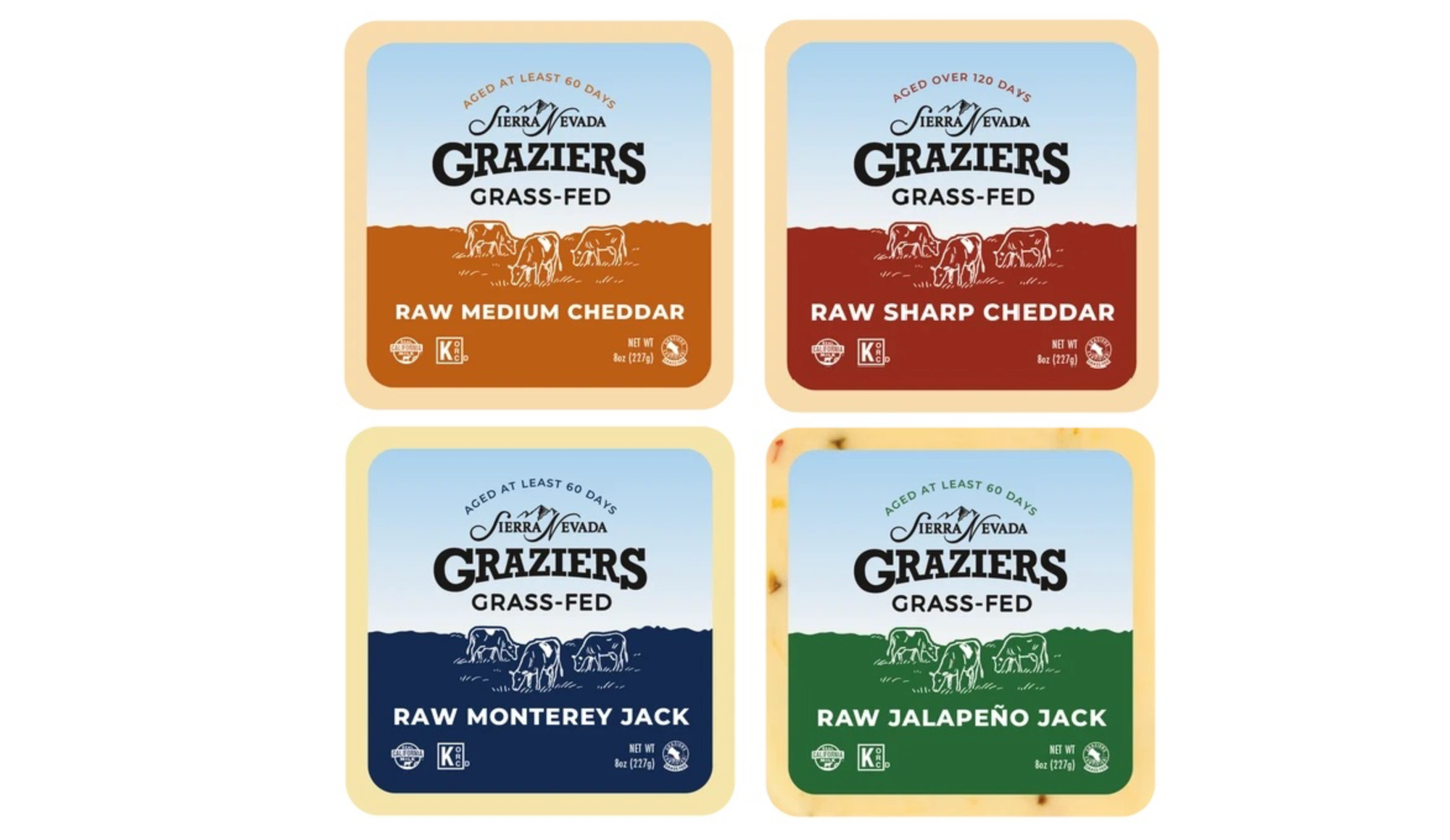
The FDA and CDC are investigating a new outbreak of E. coli O26:H11 infections linked to Sierra Nevada Graziers grass-fed raw milk cheese.
As of Sept. 25, there are 13 confirmed patients, more than half of whom are younger than 5 years old, according to the Centers for Disease Control and Prevention. Eight of the patients have required hospitalization and three have developed hemolytic uremic syndrome, which is a type of kidney failure that can also cause other serious problems including brain damage and death.
The sick people are spread across nine states coast to coast. The states with patients are California, Colorado, Georgia, Kentucky, Michigan, Nevada, Oregon, Tennessee and Utah. Illness onset dates range from July 7 through Aug. 26.
Public health officials are interviewing patients about the foods they ate before becoming sick. Of nine people interviewed, all nine reported eating Sierra Nevada Graziers grass-fed raw milk cheese before becoming ill.
There are likely many more sick people than the patient list reflects at this time. This is because some people do not seek medical attention and others are not specifically tested for E. coli infection. According to the CDC for every confirmed patient in an E. coli outbreak there are 26 who go undetected.
On Sept. 24, the Food and Drug Administration contacted the company to notify it about the outbreak and recommend it conduct a recall. Sierra Nevada Cheese Company LCC is working with the FDA and that same day agreed to and initiate a recall of all Graziers Raw Milk Cheeses.
The recalled Sierra Nevada Graziers grass-fed raw milk cheeses were distributed nationwide. They are sold in medium cheddar, sharp cheddar, jalapeño jack, and Monterey jack in 8-ounce or 16-ounce packages and available to food service customers or wholesalers in 5-pound loaves.
The FDA recommends the following actions for consumers and retailers:
Do not eat, serve, or sell recalled Sierra Nevada Graziers grass-fed raw milk cheeses (medium cheddar, sharp cheddar, jalapeno jack, or Monterey jack varieties). Consumers who purchased recalled cheese may return it to the place of purchase for a refund.This product has a long shelf life. Check your refrigerators and freezers for the recalled raw milk cheeses and throw them away. If you refrigerated or froze cheese without the original packaging and can’t tell if it’s part of the recall, throw it away. Consumers, restaurants, retailers, and foodservice customers who purchased or received recalled raw milk cheese, including wholesale products, should carefully clean and sanitize any surfaces or containers that it touched.Retailers that received recalled product and repackaged it for individual sale should not sell it and remove the product from the market.
About E. coli infections
Food that is contaminated with E. coli does not look, smell or taste bad.
Anyone who has eaten any of the recalled cheese and developed symptoms of E. coli infection should seek medical attention and tell their doctor about their possible exposure to the bacteria. Specific tests are required to diagnose the infections, which can mimic other illnesses.
The symptoms of E. coli infections vary for each person but often include severe stomach cramps and diarrhea, which is often bloody. Some patients may also have a fever. Most patients recover within five to seven days. Others can develop severe or life-threatening symptoms and complications, according to the Centers for Disease Control and Prevention (CDC).
About 5 to 10 percent of those diagnosed with E. coli infections develop a potentially life-threatening kidney failure complication, known as a hemolytic uremic syndrome (HUS). Symptoms of HUS include fever, abdominal pain, feeling very tired, decreased frequency of urination, small unexplained bruises or bleeding, and pallor.
Many people with HUS recover within a few weeks, but some suffer permanent injuries or death. This condition can occur among people of any age but is most common in children younger than five years old because of their immature immune systems, older adults because of deteriorating immune systems, and people with compromised immune systems such as cancer patients.
People who experience HUS symptoms should immediately seek emergency medical care. People with HUS will likely be hospitalized because the condition can cause other serious and ongoing problems such as hypertension, chronic kidney disease, brain damage, and neurologic problems.