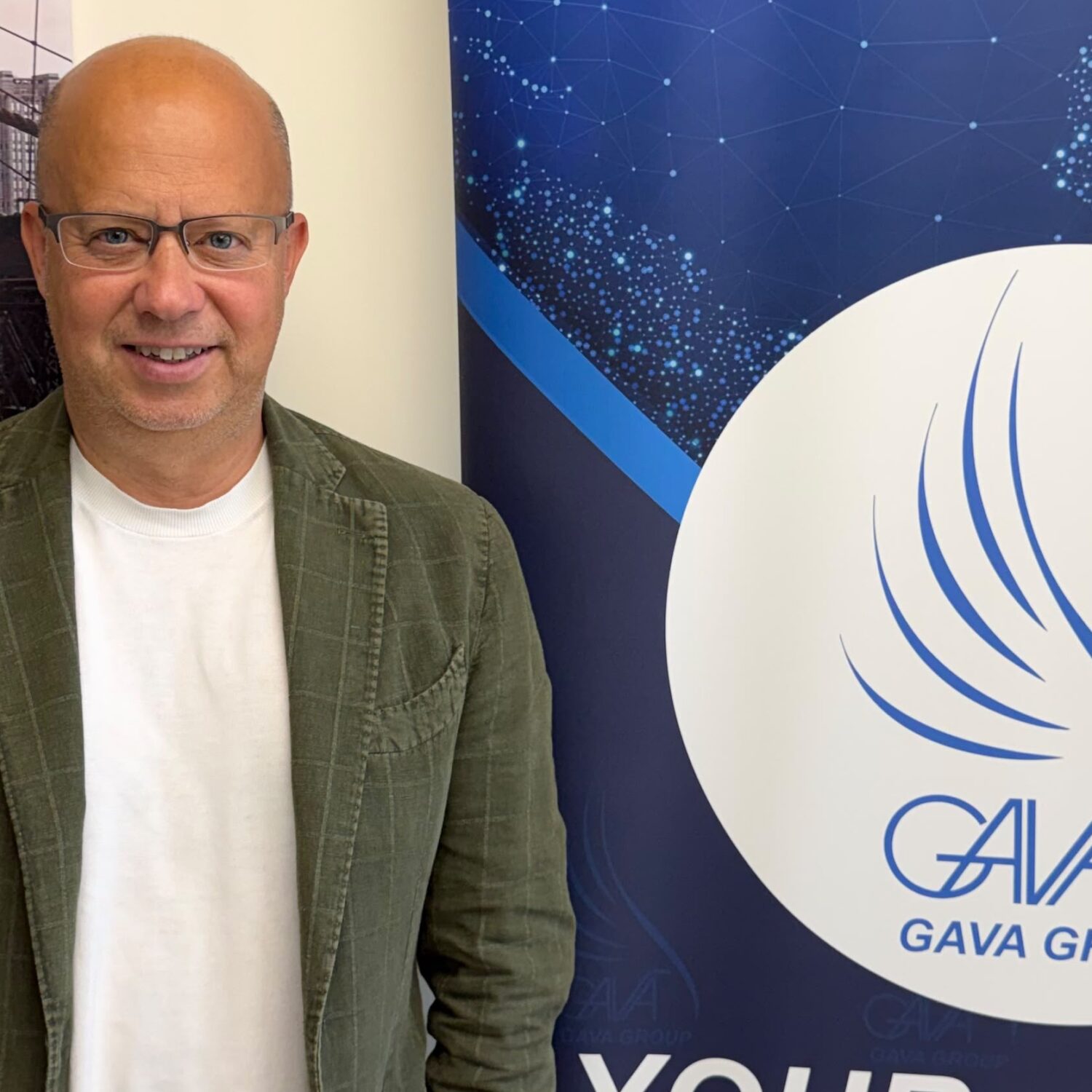
He was thirty-one when he left Milan for the United States. It had to be a temporary experience, but New York held it. In this interview Davide Di Malta, head of the Gava Group offices in New York and Miami, traces his arrival in America, doubts and return to Italy.
When you left Milan for the United States, you were just over thirty years old. If you think about that, what do you see? A boy looking for an opportunity or someone who was already looking for a different life?
I’d say both. After graduation, in 1999, I wanted to experience abroad. My uncle, founder of Gava Group, proposed me to enter the company and told me that if I had done well my path, sooner or later an international opportunity would come. So I started working in Milan, starting literally from scratch. I’ve been arranging in all departments, from workmanship to business, to administration. After three years, I was able to move to the United States. I arrived first in Chicago in 2002, and the following year in New York. I was 30 years old and a new phase of my life began.
Many leave thinking about staying a few years and then coming back. You were one of those?
Absolutely. When I left Milan, I thought I would do a few years abroad, learn, grow professionally and then return to Italy. That was the plan. Life, however, has decided otherwise. First Chicago, then New York. At some point I realized that this city had become home.
What do you remember your arrival in the United States? Is there an image that still reminds you today?
The impact was strong. Chicago was a wonderful experience, but it was very different from how I imagined it. Closer, more difficult to live socially for a foreigner. Then, in 2003, I arrived in New York. Everything’s changed. I opened a world. I have found a city able to continually offer opportunities for encounter, confrontation and growth. I felt right at the right place.
New York is often told as a city that runs and demands a lot. What perception did you have?
I found a city that obliges you to continually improve. It tests you, but at the same time it offers you extraordinary opportunities. If you’re willing to engage, learn and adapt, you’re very much back.
Is there something New York taught you and you would hardly have learned while staying in Italy?
Probably the value of the relationship with the customer. It was the first big difference I felt in the way of doing business. We do not sell a product, but a service. And a service only works if the customer feels followed at every stage of the process. In the United States, I learned how much I have to build lasting relationships. If you work well and prove reliability, the customer tends to stay with you. It is a confidence that is conquered over time.
From Italian to the United States, what aspects of your character have been more useful than expected?
The ability to build human relationships. We Italians are naturally led to create connections, to listen to people, to make them feel important. It may seem a detail, but it is actually a very appreciated quality even in an international context like New York.
At some point, in 2008, you decided to return to Italy. What was the time of his life?
It was a complicated period from a personal point of view. I thought returning to Italy was the right choice. I did. But I stayed there only three months.
And what did they teach you those three months away from New York?
They made me realize how much this city became part of my life. New York is not an easy to love city. He constantly tests you, he asks you a lot, and sometimes he almost seems to reject you. But if you can get through the early years, something happens. You start feeling part of the city. And when it happens, it’s hard to imagine elsewhere.
Many speak of New York as an extremely competitive city. How would you describe it?
More than competitive, meritocratic. It doesn’t mean you just have to get everything. It also needs luck, as in everything. But I always felt that work, preparation and will be recognized. It’s an aspect that has always motivated me.
In your work we often talk about global logistics and markets. How much do human relationships still count?
They count a lot. Today the biggest challenge for a company that wants to grow while maintaining an international vision is to build a reliable network. Competent people within the company are not enough. They serve partners and suppliers that share the same standards and the same attention to the customer. When you find this balance, you built something really solid.
When you arrived here your goal was to experience and then return to Italy. What motivates you to get up in the morning today?
Today my goal is different. At first I thought about building my professional path. Today I think of continuity. I’m lucky to work with young and motivated people, and I’d like them to carry out what we’ve built in these twenty-five years.
If I met today a boy who is about to leave for New York with the same ambitions you had in 2002, what advice would you give him?
I would tell him to have so much willpower and a goal. Will is what allows you to move forward in difficult times. The goal is what gives you a direction. As I said before, there is still a strong culture of meritocracy in the United States. Of course, it also needs some luck. But if you have determination and skills, there are opportunities.
After more than 20 years in the United States, is there still something that can surprise you in New York?
The curiosity that can generate. I like the fact that every day there is something to learn, to see or to discover. I like its cultural energy, theatre, music, the chance to meet people from all over the world. After all these years I keep waking up with pleasure and working enthusiastically. I think it’s the clearest signal that New York, in the end, was the right choice.
The article David of Malta: “It had to be a parentheses twenty-three years” comes from IlNewyorkese.