
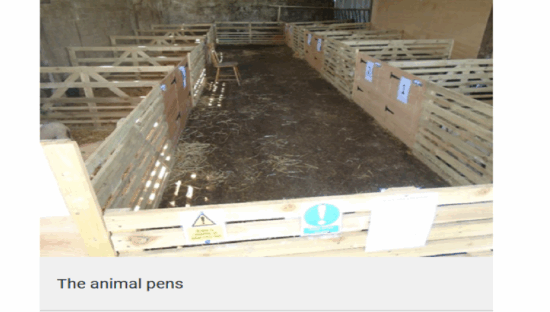
A farm owner on the Isle of Wight has been fined after an outbreak resulting in more than 250 people being infected with Cryptosporidium.
Sharon Wheeler ran an animal bottle feeding activity at a petting farm at Hazelgrove Farm in Ryde in April and May 2023. Visitors could purchase a bottle of milk to feed to a lamb or goat kid.
Cryptosporidium is a parasite that causes an illness called cryptosporidiosis. Symptoms in people can include abdominal cramps, diarrhea, and nausea.
An investigation by the Health and Safety Executive (HSE) and UK Health Security Agency (UKHSA) traced 264 infections back to the farm. A total of 2,400 tickets were sold between April to May 2023 for the animal feeding event. Many of those sick were children.
Event non-compliances
Health officials found a failure to properly assess the risks to workers and visitors, inadequate washing and drying facilities, and insufficient information and instructions to employees and visitors.
There were also poor control and supervision of contact with animals. Children were seen kissing goats and lambs visibly contaminated with fecal matter.
Wheeler pleaded guilty to breaching a section of the Health and Safety at Work Act. She was fined £8,000 ($10,500) and ordered to pay costs of more than £9,500 ($12,500) at Southampton Magistrate’s court in November.
Overall, 264 attendees suffered illness with 5 percent of patients admitted to hospitals overnight because of prolonged or severe symptoms.
Many adults had to take time off work, amounting to 1,254 lost days because of illness or caring responsibilities. Several victims reported gastrointestinal issues affecting their lives since attending the event, with some having multiple hospital stays in 2024.
Managing risk
Victims said that their experiences were among the worst diarrhea and vomiting they had ever had, fearing for their child’s health, and putting their families off visiting farm animals again.
HSE inspector, Francesca Arnold, said: “It is extremely important that farmers understand the risks on their farm, and they should ensure that visitors are protected when inviting the public onto their farms.
“If the zoonotic risks had been properly controlled this incident could have been avoided, but the failures during the animal feeding activity meant a large number of visitors became ill and some suffered lasting effects.
“As with most activities, visits to farms and farm attractions can never be considered free from risk. However, it is possible to reduce the levels of risk by implementing control measures and safe practices to ensure that workers and members of the public are not put at risk and still provide a valuable and enjoyable recreational and educational experience.”
(To sign up for a free subscription to Food Safety News, click here.)