
Seven people have fallen ill in Slovakia after eating cheese from an unregistered operation.
Sick people were infected with Salmonella Schleissheim and several of them were hospitalized.
The Regional Veterinary and Food Administration (RVPS) of Liptovský Mikuláš received a complaint from the Regional Public Health Authority (RÚVZ) based in the same area. The incident was reported by the State Veterinary and Food Administration of the Slovak Republic (ŠVPS SR).
Patients consumed products from an operation that the RVPS had no information about. It was not approved and there was no registered sheep breeding at the site.
Inspection findings
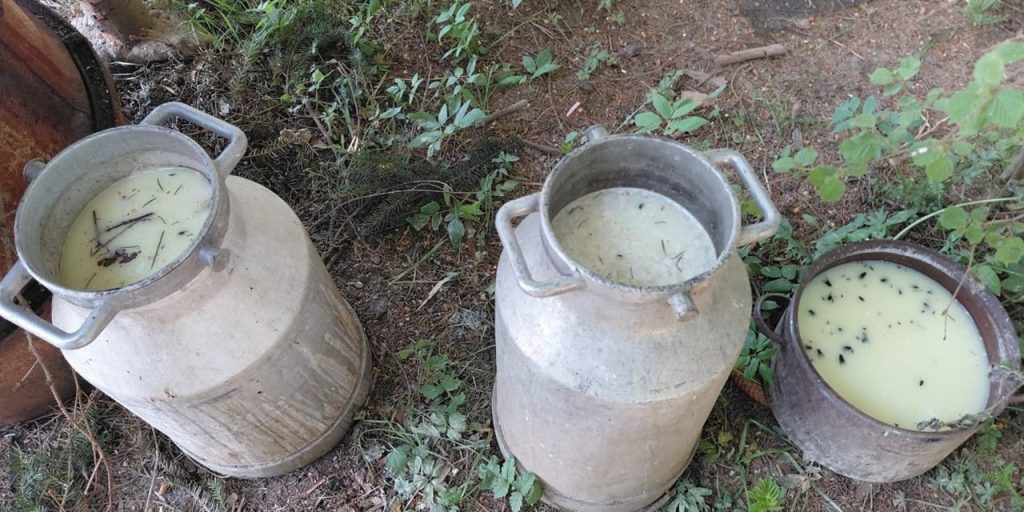
Inspectors went to the location in a difficult-to-access forest environment. The owner sold a range of fresh and smoked cheese products to officials. He was later informed that it was an inspection. The visit revealed items were produced and kept in unsuitable hygienic conditions in a wooden shed.
Inspectors found cheese stored in an old wardrobe intended for clothes, smoked cheese in a plastic shopping bag, and products stored at almost 23 degrees C (73.4 degrees F) with no protection from insects and other pests. Tools and equipment were also dirty and inadequate. Curds used in cheese making were dried on a rack and a nearby stream was used as a water source.
Although the owner used gloves when cutting cheese, they were more to protect his hands from getting dirty than to ensure food hygiene, said authorities.
Inspectors took samples from products for microbiological examination. Remaining products were destroyed to protect consumer health. Salmonella and high levels of coagulase-positive staphylococci were detected in cheese.
RVPS imposed a ban on the production and marketing of products from the site and a health examination of the owner to exclude Salmonella carrier status. The owner has been stopped from operating and is facing a fine.
Authorities warned that purchasing food, especially of animal origin, from illegal operations poses a high risk to health. The public was encouraged to pay attention to cleanliness and hygiene conditions, the method of storing products, food handling, and the availability of information on origin and approval.
Consumers can check whether a product comes from an approved sheep farm under veterinary control by searching for the establishment in the list of approved sites on the ŠVPS SR website or by checking the identification mark on the product.