
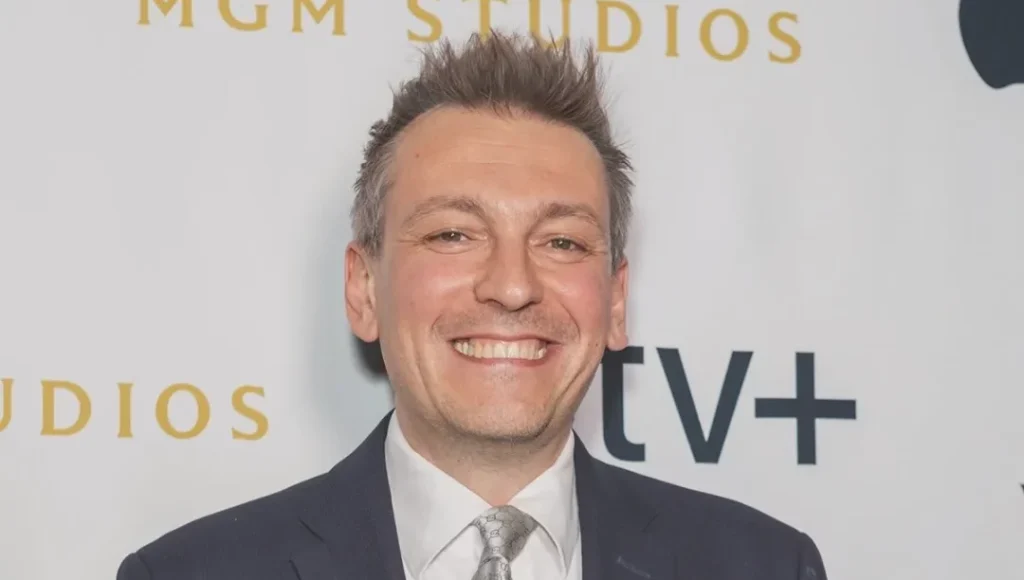
Conductor, composer and member of the Academy, Fabrizio Mancinelli is one of the most recognized Italian voices in music for international cinema. In Hollywood he directed and collaborated on great productions, including Green Book, contributing to soundtracks that brought him to the Academy Awards circuit. Last year he received a nomination for Anuja, confirming a career that combines Italian roots, classical training and a global look. We met him in one of the most intense moments of the film calendar: the Oscar season.
We’re in the middle of the Oscar season. She is a member of the Academy and last year she received a nomination. What is this moment for you?
Being in the midst of the Oscar season means above all watching many films, in order to be able to vote responsibly, based on what each work really communicates. The value of a film is always subjective, so I try to devote to every title the same attention I would like to be reserved for my work when judged: I look at everything, I recover what I might have lost and listened with great attention, especially in the early stages of the selection. In any case, nominations remain something unique and extremely important.
He became a member of the Academy. What did this recognition mean to you?
It is a great honor to be part of a selected group of artists and be able to learn from those who opened the road before us. Comparing with figures like Diane Warren or other composers who also become friends is an extraordinary privilege. At the same time I feel a strong responsibility for contributing. The Academy is not only a symbol of prestige, but an institution that works to improve the sector and leave something significant to future generations.
From Green Book to other important international projects: how did your approach to music change?
I had the honour of directing scores for colleagues like Chris Bowers, spending a lot of time in the studio. I consider myself a versatile musician: composer, but also conductor. Each experience expands musical vocabulary. Being in close contact with different musicians helps to remain contemporary while remaining faithful to themselves.
His projects range from international animation to Italian cinema. How does your approach to composition change?
Each film requires a different language. For Out of the Nest I worked with great creative freedom, studying Thai music culture to create something credible both for the Eastern and Western audience. For Rossovolante, instead, I looked for what I call “the sound of the Dolomites”: a dialogue between the inner world of the protagonist — represented by a solo violin — and the majesty of the mountains, evoked by the orchestra and synthesizers. The budget, available tools and history always determine the musical direction.
His initial path was not in music. When was the decisive moment?
The passion for music has always been there since childhood. However, I also followed a more “secure” path, graduating in jurisprudence and obtaining a lawyer’s qualification. The real breakthrough came with a Fulbright bag that brought me to the United States. From that moment I chose the music, also thanks to the guide of Giancarlo Menotti, of which I was an assistant.
Among his inspirations is Ennio Morricone.
Morricone is my greatest inspiration in film music. My direct mentor was Luis Bacalov, but Morricone remains an absolute genius: not only a master of the musical theme, but someone capable of inventing new sounds and understanding instinctively what a film really needs.
How do you find inspiration when a new project begins?
I always look for the narrative key. In Out of the Nest the challenge was to create a music that respected local culture while remaining universal. In Rossovolante I worked on the relationship between man and mountain, translating emotions and landscape into sound.
Artificial intelligence is also entering the world of music. What’s your position?
They are rather skeptical about the generative uses in the creative process, especially for legal issues related to the property of the works. That said, I think AI can be useful as a technical tool to speed up some processes. The fast food paragon: it can serve something, but it will never replace the experience of a great restaurant. If ever, it could push artists to be even more original.
His connection with L’Aquila is very strong. What did it mean to come back for such an important event?
It was very exciting to direct a song dedicated to the memory of the tragedy of Abruzzo. Returning with my family and performing in front of the President of the Republic was a moment of great unity and pride. All I do is also a tribute to friends who are no longer there.
Future projects?
I can say little. Rossovolante will soon air on Rai 1 and I am working on new animation projects, as well as a series. Writing music for animation is particularly complex, because it often accompanies almost every minute of the film. But it is also one of the most fascinating challenges.
L’articolo The Italian pride of cinema music in Hollywood proviene da IlNewyorkese.