
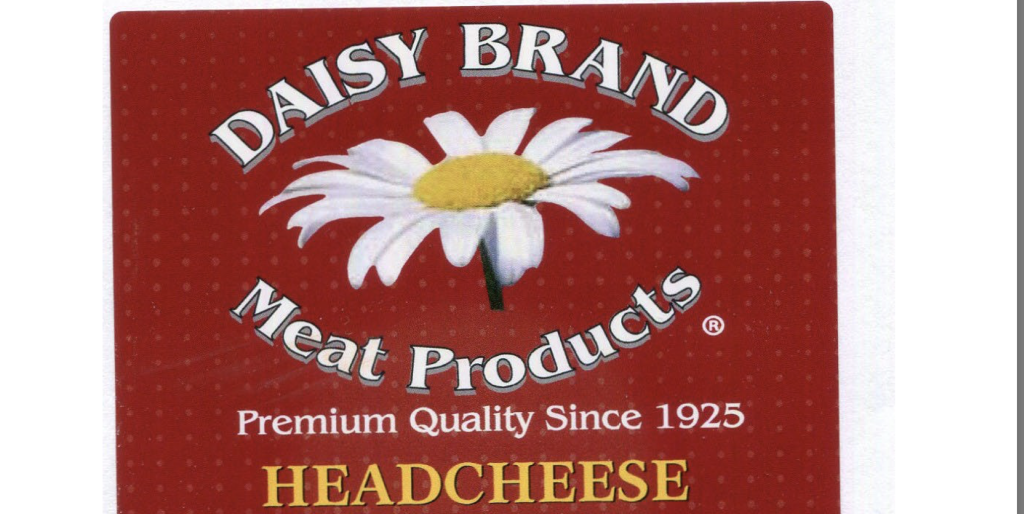
Public health officials are investigating a Listeria outbreak linked to Daisy brand headcheese.
As of May 10, three people in Illinois were confirmed as outbreak victims. The outbreak is localized in Illinois and therefore state officials are taking the lead on the investigation.
The USDA’s Food Safety and Inspection Service (FSIS) has issued a public health alert regarding the headcheese. A recall was not requested because the products are no longer available for purchase.
Headcheese is a ready-to-eat (RTE), pork deli meat product typically made from meat and seasonings that are cooked together and formed into a loaf or jelly-style product.
The fully cooked pork headcheese product implicated in the outbreak were produced on Jan. 20. The products are intended for slicing at retail delis and some deli purchases may only show the producer’s brand without the affected date. The following products are subject to the public health alert:
Various weight packages packed or sliced in retail delis, containing “DAISY BRAND Meat Products HEADCHEESE,” with a “USE BY” date of “MAR 26 2026.”Various weight packages packed or sliced in retail delis, containing “DAISY BRAND Meat Products HEADCHEESE,” with a red sticker indicating “HOT” and a “USE BY” date of “MAR 26 2026.”
The implicated products have establishment number “EST. 21406” printed inside the USDA mark of inspection. These items were distributed to retail deli locations in Illinois and Indiana.
FSIS collected an unopened headcheese product sample that tested positive for Listeria. Further testing is ongoing to determine if the product samples are related to the specific outbreak strain.
FSIS is concerned that recently purchased product may remain in consumer refrigerators. Consumers who have purchased these products are urged not to consume them. These products should be thrown away or returned to the place of purchase. Consumers who have purchased these products are also urged to clean refrigerators thoroughly to prevent the risk of cross-contamination.
About Listeria infections
Food contaminated with Listeria monocytogenes may not look, smell or taste spoiled but can still cause serious and sometimes life-threatening infections. Anyone who has eaten any of the implicated headcheese and developed symptoms of Listeria infection should seek medical treatment and tell their doctors about the possible Listeria exposure.
Also, anyone who has eaten any of the recalled products should monitor themselves for symptoms during the coming weeks because it can take up to 70 days after exposure to Listeria for symptoms of listeriosis to develop.
Symptoms of Listeria infection can include vomiting, nausea, persistent fever, muscle aches, severe headache, and neck stiffness. Specific laboratory tests are required to diagnose Listeria infections, which can mimic other illnesses.
Pregnant women, the elderly, young children, and people such as cancer patients who have weakened immune systems are particularly at risk of serious illnesses, life-threatening infections, other complications and death. Although infected pregnant women may experience only mild, flu-like symptoms, their infections can lead to premature delivery, infection of the newborn, or even stillbirth.